A 99helpers Maker Interview
Conversations with independent makers about how they make, host and market the things they build — and the lessons they learned along the way. See all interviews
Make
Host
Market
The product

Caddie Live
caddielive.golf
A golf platform that started with live scoring and has grown into something much broader — trips, societies and tournaments, with everyone scoring on their phones.
01
Who are you, and what did you build?
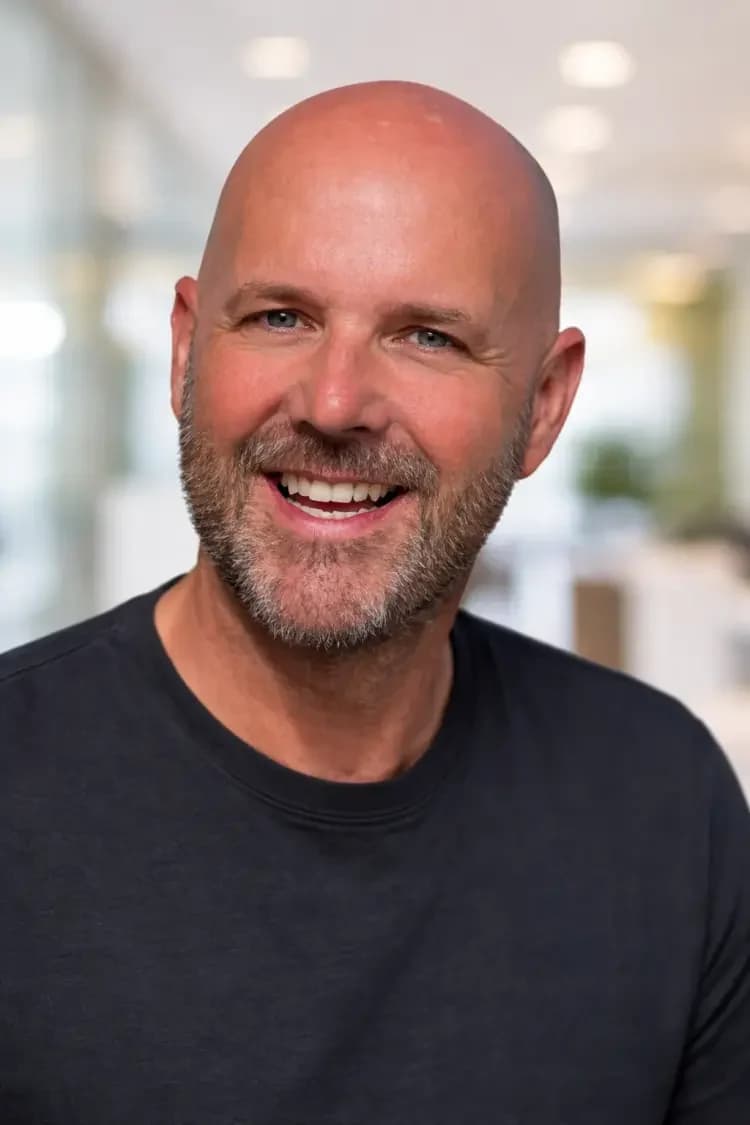
I'm Simon, a product manager based in Germany and, more recently, a slightly obsessive solo builder.
I've spent most of my career working in digital product, usually coming up with ideas, defining how things should work and then working with engineers to actually build them.
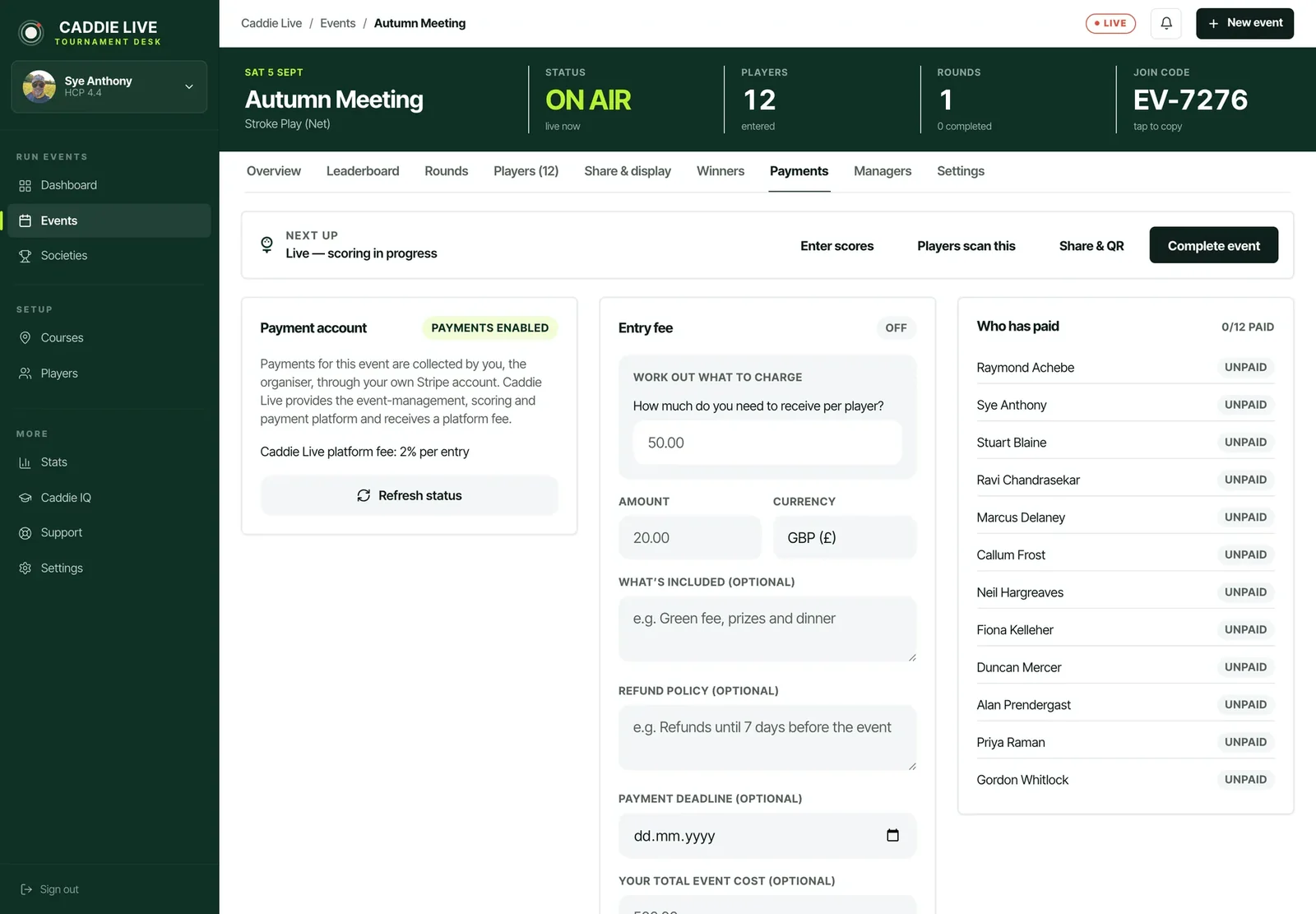
My main product is Caddie Live, a golf platform that started with live scoring and has grown into something much broader. It lets golfers run anything from a competitive round with friends to golf trips, societies and larger tournaments, with everyone scoring on their phones and following the leaderboard live.
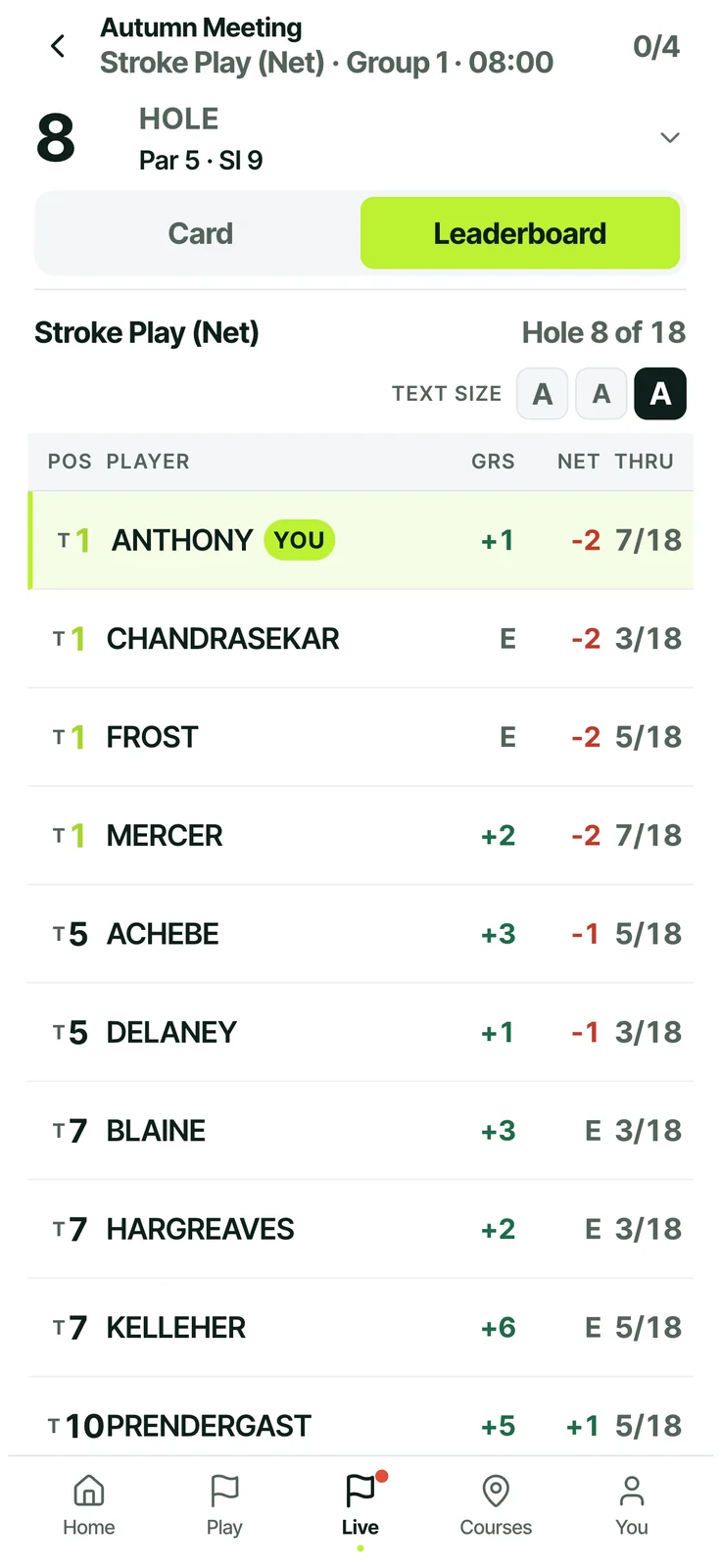
For organisers, it also handles things like event registration and payments, season and membership management, and even branded merchandise.
The simplest version of the original idea is still: every round deserves a leaderboard.
02
Why did you build it?
I've played golf since I was 12 and I've always loved the competitive side of it.
The problem is that outside organised tournaments, you often lose that feeling. You go away with eight friends, somebody has a spreadsheet, somebody else is working out handicaps and nobody really knows who's winning until you're back in the bar.
I wanted to recreate some of the experience you get watching professional golf. You're still playing your own round, but you know what's happening around you and suddenly that putt on the 17th matters a little more.
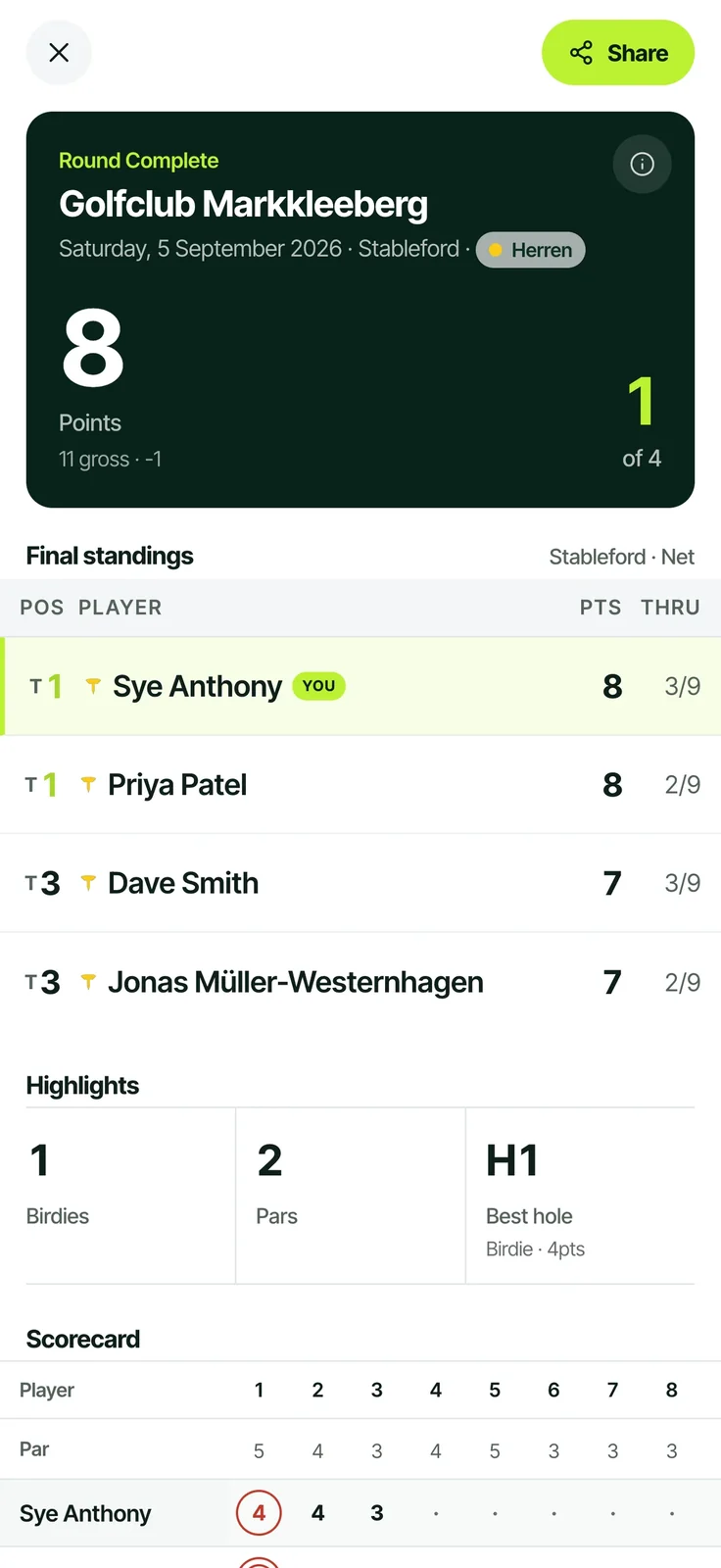
Caddie Live started as a relatively simple way for me to score games with my mates. Then it just kept growing. Trips came next, then more formats and bigger events. Once people started using it to organise those events, that led to registration, payments and tournament management, and eventually full society and season management.
It wasn't really the original intention to build something this big. It developed over time as I used it myself, put it in front of other golfers and kept discovering new problems it could solve.
03
Why should people use your product?
Because golf is more fun when you know what you're playing for.
With Caddie Live you can create a game, invite players with a link or QR code, choose your format and start playing. Everyone scores on their phone and the leaderboard updates as the round develops.
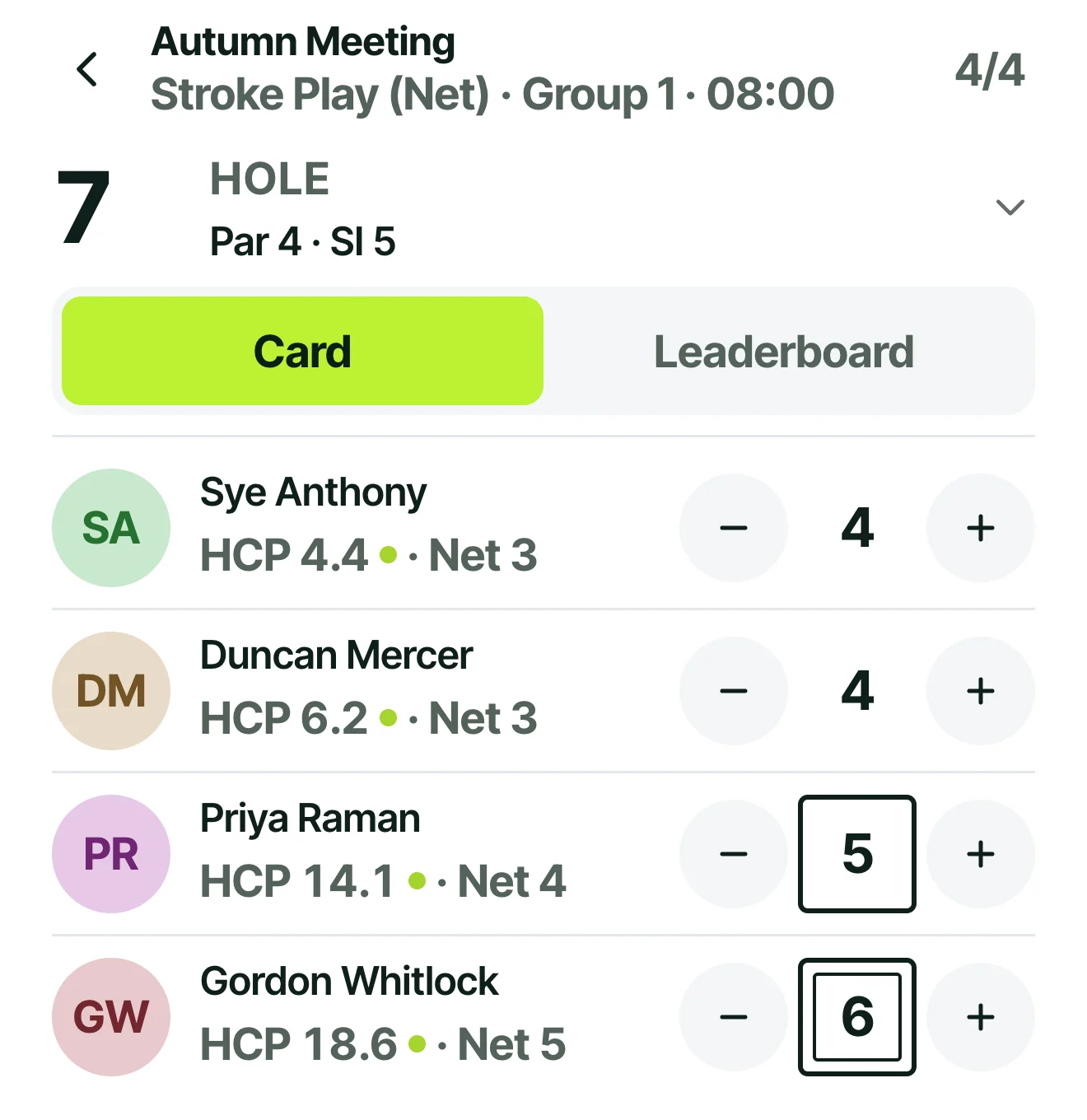
It supports everything from Stableford and stroke play to match play, Scrambles, Better Ball, Skins, Nassau and multi-round events.
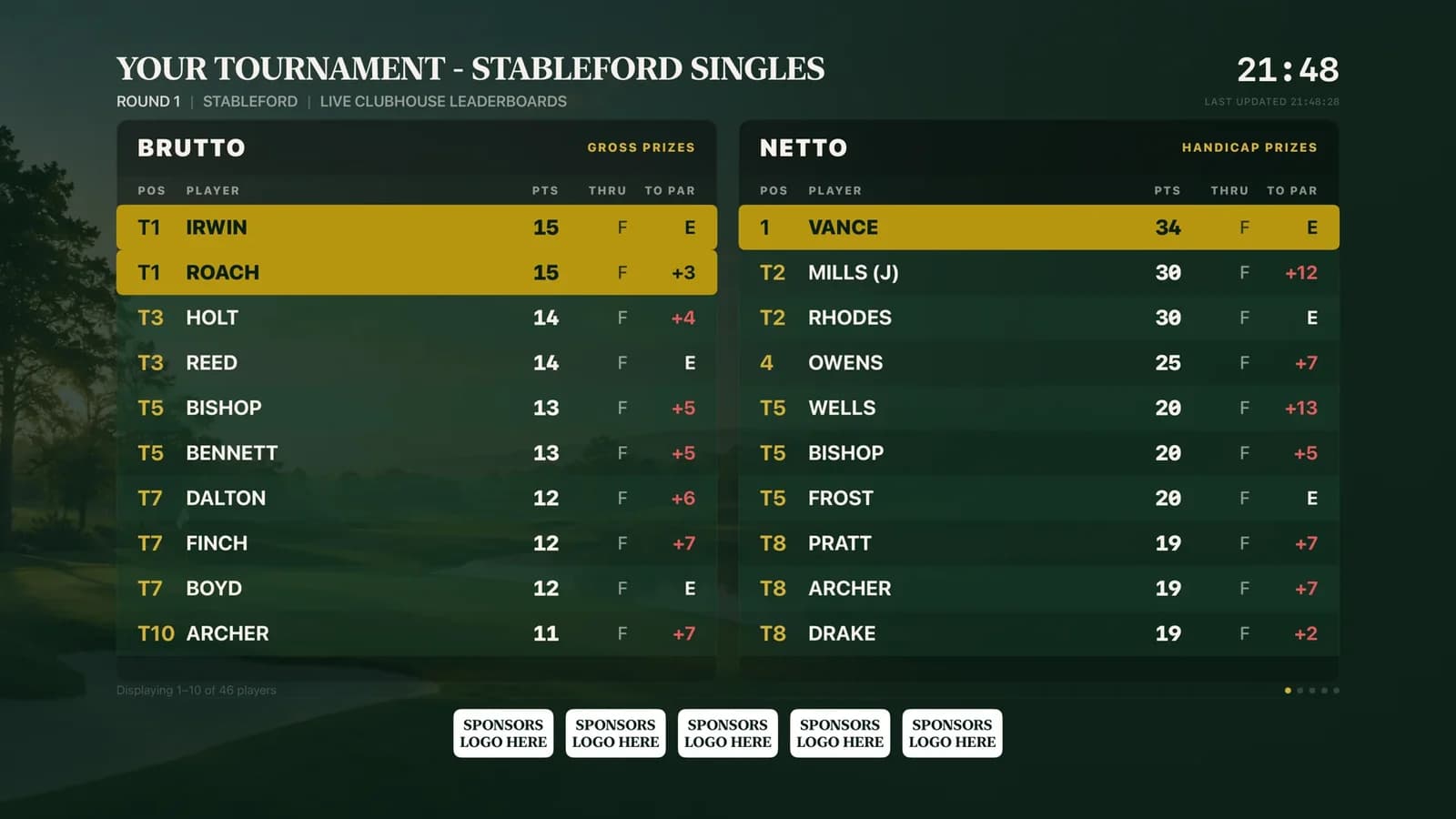
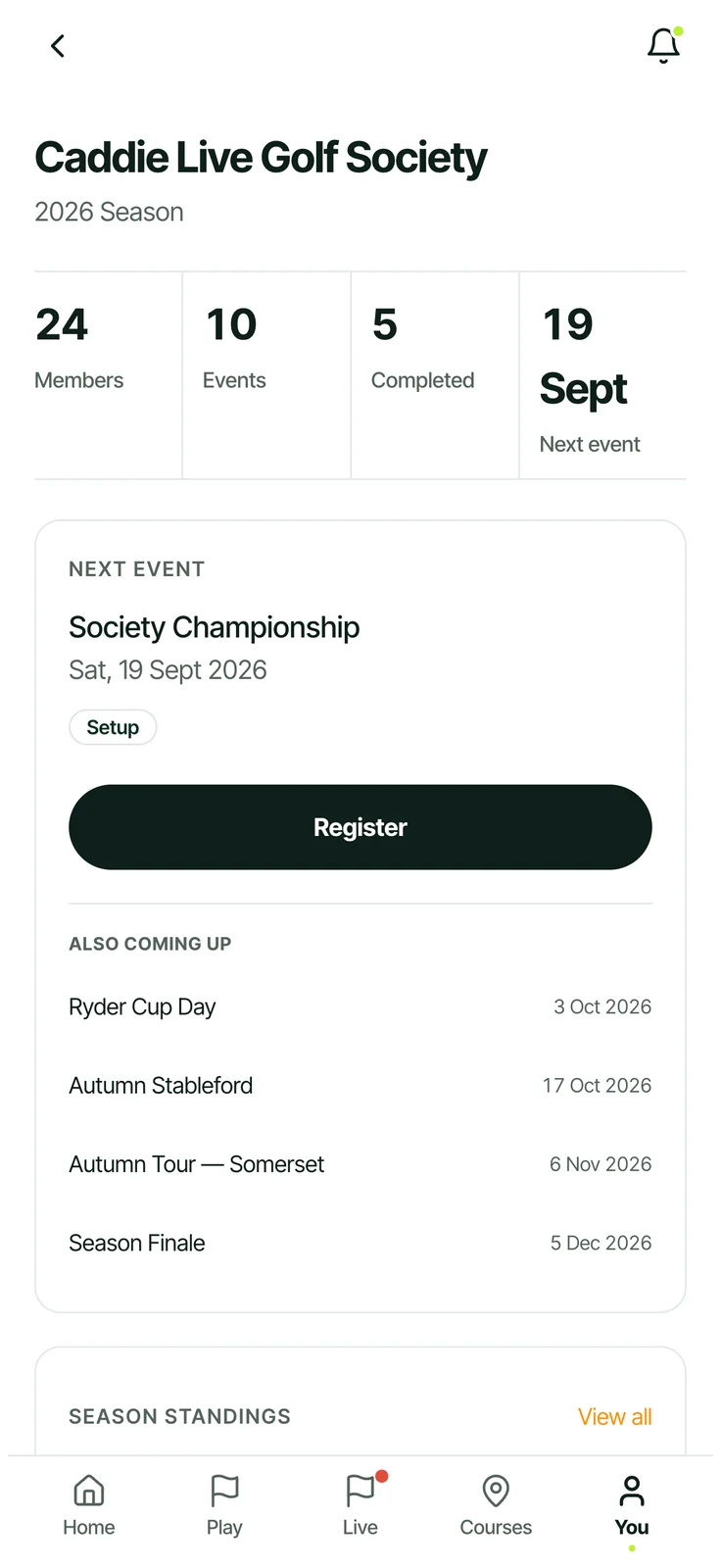
But it's grown well beyond the scorecard. If you're organising a society or tournament, you can publish the event, take registrations and entry fees, manage players and tee sheets, run the live competition, publish results and standings, manage a whole season and even create branded society merchandise. There's an Apple TV app for clubhouse screens too.
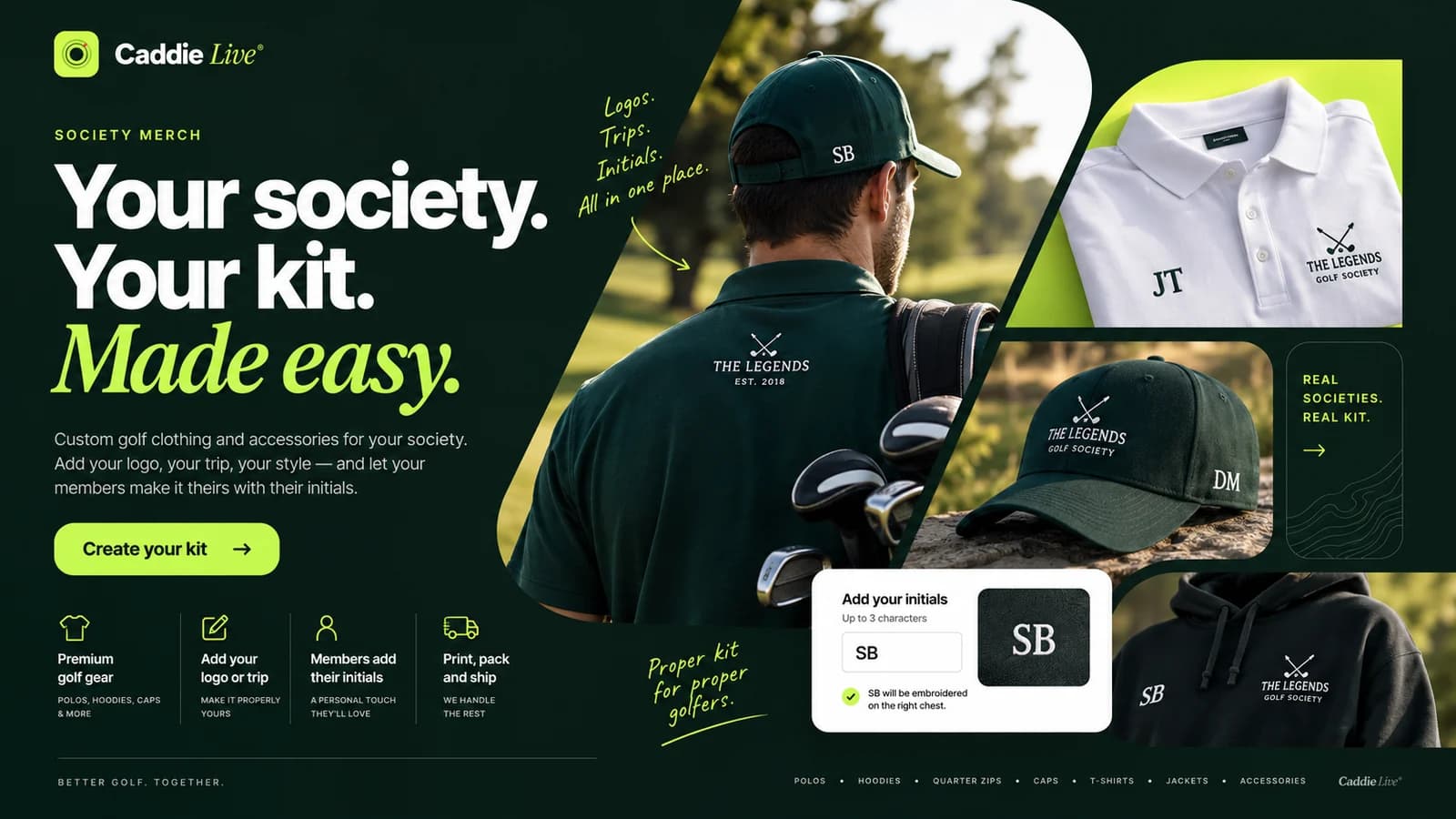
The aim is really to cover the boring organisational stuff around amateur golf so the organiser can concentrate on the golf.
I've tried to make it powerful enough for organisers without making a Saturday round with your friends feel like you're administering the Ryder Cup.
“That's become one of my main product principles: retain the power, remove the admin.”
For individual golfers it's free, so my sales pitch is pretty simple: try it for your next round. If everyone starts checking the leaderboard after every hole, it's doing its job.
04
How is the business doing today?
Early, which is probably the most accurate answer!
Caddie Live properly launched in June 2026. It's being used by real golfers in real rounds and events, but I'm still figuring out which parts people repeatedly use and ultimately what the sustainable business around it looks like.
It's bootstrapped and I'm still a team of one alongside my normal job.
I'm deliberately not going to manufacture impressive-sounding startup metrics. The product is further ahead than the business at the moment.
My focus now is much less on adding another ten features and much more on getting Caddie Live into the hands of more golfers.
05
What has worked well so far?
Getting Caddie Live into real competitions.
I've run events with dozens of golfers scoring simultaneously, and seeing a leaderboard I'd built updating from scores being entered all over the golf course was a pretty special moment.
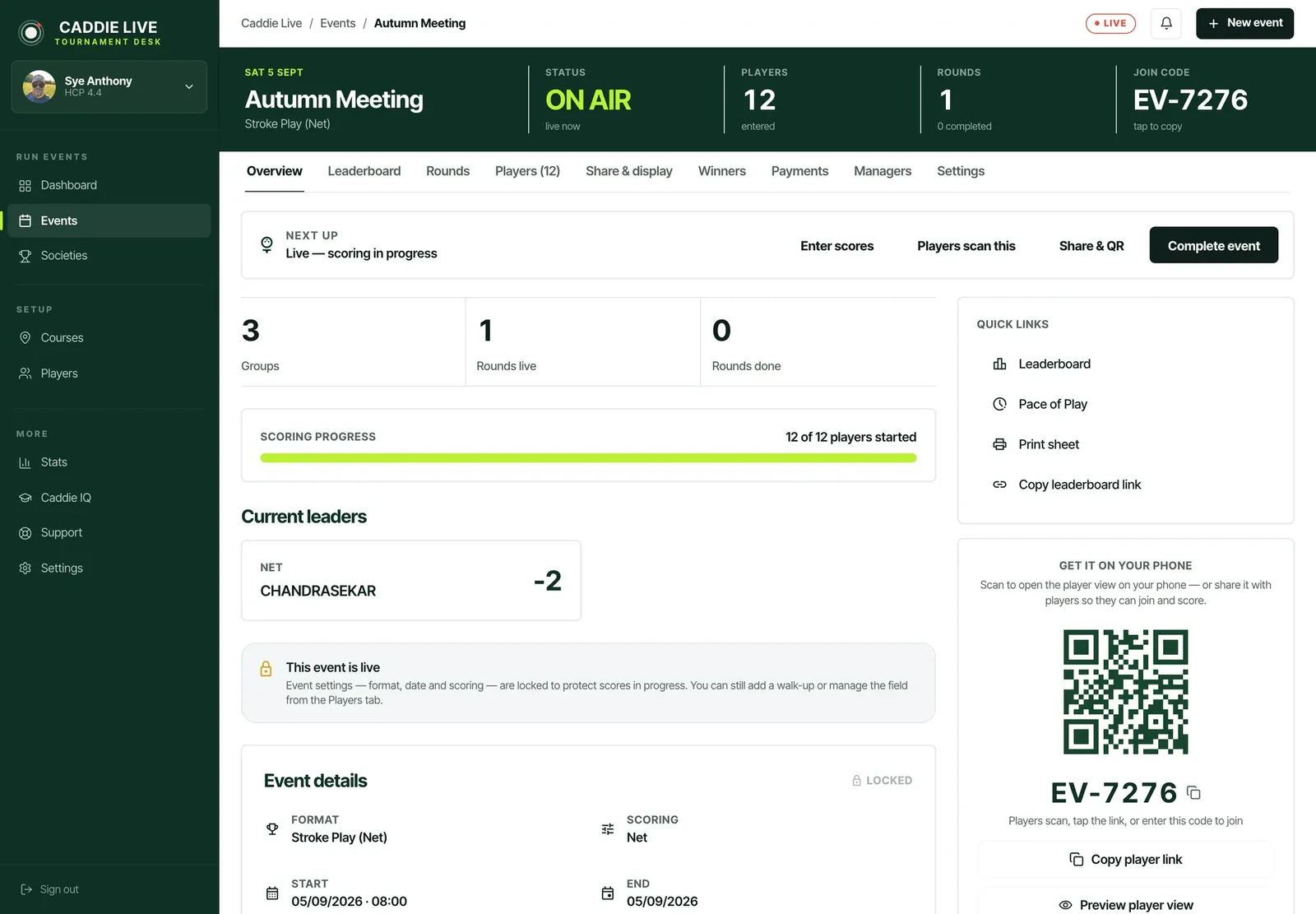
It's also where I've learned the most.
Something can make perfect sense when you're sitting at a laptop and become completely confusing when somebody is standing on the 8th tee, it's raining and there are three people waiting behind them.
Talking directly to golfers has also been much more valuable than broad advertising. Ten people who actually use the product and tell me what annoyed them are considerably more useful than thousands of people scrolling past an advert.
And, personally, just getting it all out there has felt like an achievement. Caddie Live now runs across web, iOS, Apple TV and Android. Learning how to build, release and maintain all of that as one person has been a huge learning curve, but also a lot of fun.
06
What has been challenging?
Getting people to discover it.
As a product manager, my natural response to almost every problem is to improve the product. In my day job I also have the luxury of working alongside marketing, SEO, SEA and social media specialists who help get people to the product while I can concentrate on making it better.
When you're doing it on your own, it's a very different story. You're suddenly the product manager, developer, marketer, copywriter, customer support team and social media department.
Not enough people signing up? Improve onboarding. Not enough rounds? Add another feature. Conversion isn't right? Redesign the website.
“Eventually you have to accept that the button on screen three probably isn't the reason somebody hasn't downloaded your app.”
They've never heard of it.
I've spent money on advertising that achieved virtually nothing. I've built features before enough people were asking for them. I've polished parts of the product that almost nobody was seeing.
At one point I actually made myself a rule: no more product work until I get real users.
I haven't always been very good at following it.
But I'm learning that building the product is only one part of the job. Getting out there, talking about it and finding the people you're building it for matters just as much.
07
What are your goals, and what does success look like for you?
Freedom, more than scale.
I'm not trying to build a huge company with hundreds of employees. I actually like making things.
I'd love Caddie Live to become something golfers genuinely know and use, particularly for golf trips, societies and amateur competitions.
More broadly, I'd like the things I build to eventually give me more choice over how I spend my time.
If I can make useful products that people enjoy, build a sustainable income from them and have the freedom to keep experimenting with new ideas, that would feel like a pretty successful outcome to me.
I don't need a unicorn. A healthy independent business that gives me freedom sounds much more appealing.
08
What's your tech stack?
- 01Caddie Live is built primarily with TypeScript and React, with Supabase providing much of the backend and database infrastructure.
- 02It runs across web, iOS, Apple TV and Android, and I use services like Stripe rather than trying to reinvent things that other companies already do extremely well.
The technically difficult parts aren't usually making a screen appear. They're making sure the underlying logic is right.
Golf is particularly good at producing edge cases. Handicaps, different scoring formats, teams, multi-round events and countbacks can become complicated very quickly.
A beautiful leaderboard that declares the wrong winner isn't particularly useful!
09
How do you use AI?
AI is the reason I can build any of this.
I'm a product manager, not a traditional software engineer. For most of my career I could research a problem, design a product and work out how it should behave, but ultimately I needed an engineering team to turn it into reality.
AI changed that.
Caddie Live was the first time I realised I could take something quite ambitious from an idea in my head to a real product being used by real people.
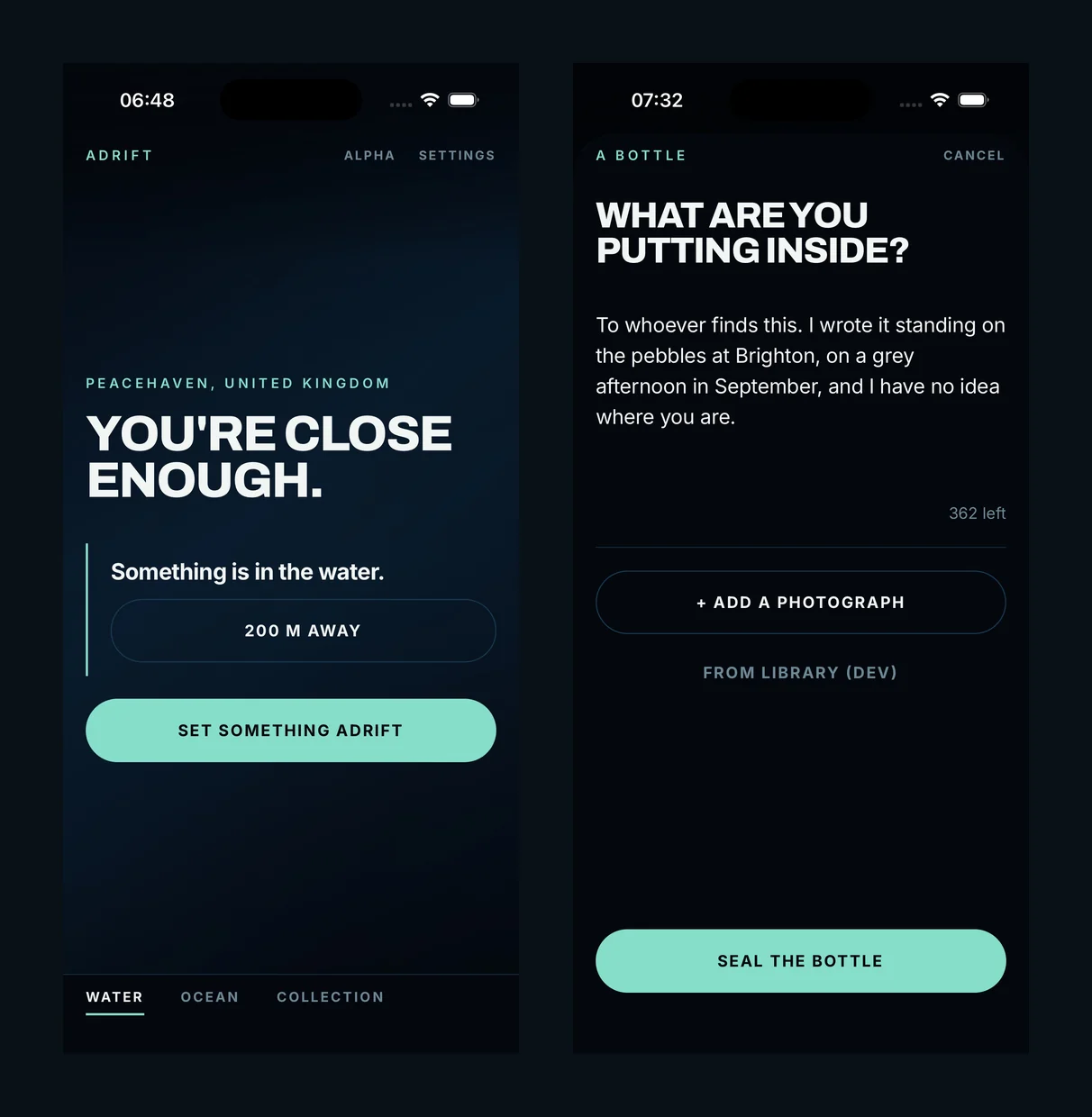
Since then I've built Adrift, a digital message in a bottle where messages travel around the world and can only be thrown or discovered near water. I've experimented with a few other ideas too.
And now I'm building Banked, which is probably the most personal one yet.
I'm approaching 50 and I want to stay fit, strong and capable as I get older. I've used fitness watches, trackers and apps, but I find they're generally very good at telling me what I've already done and less good at answering the question I actually care about: what should I do today?
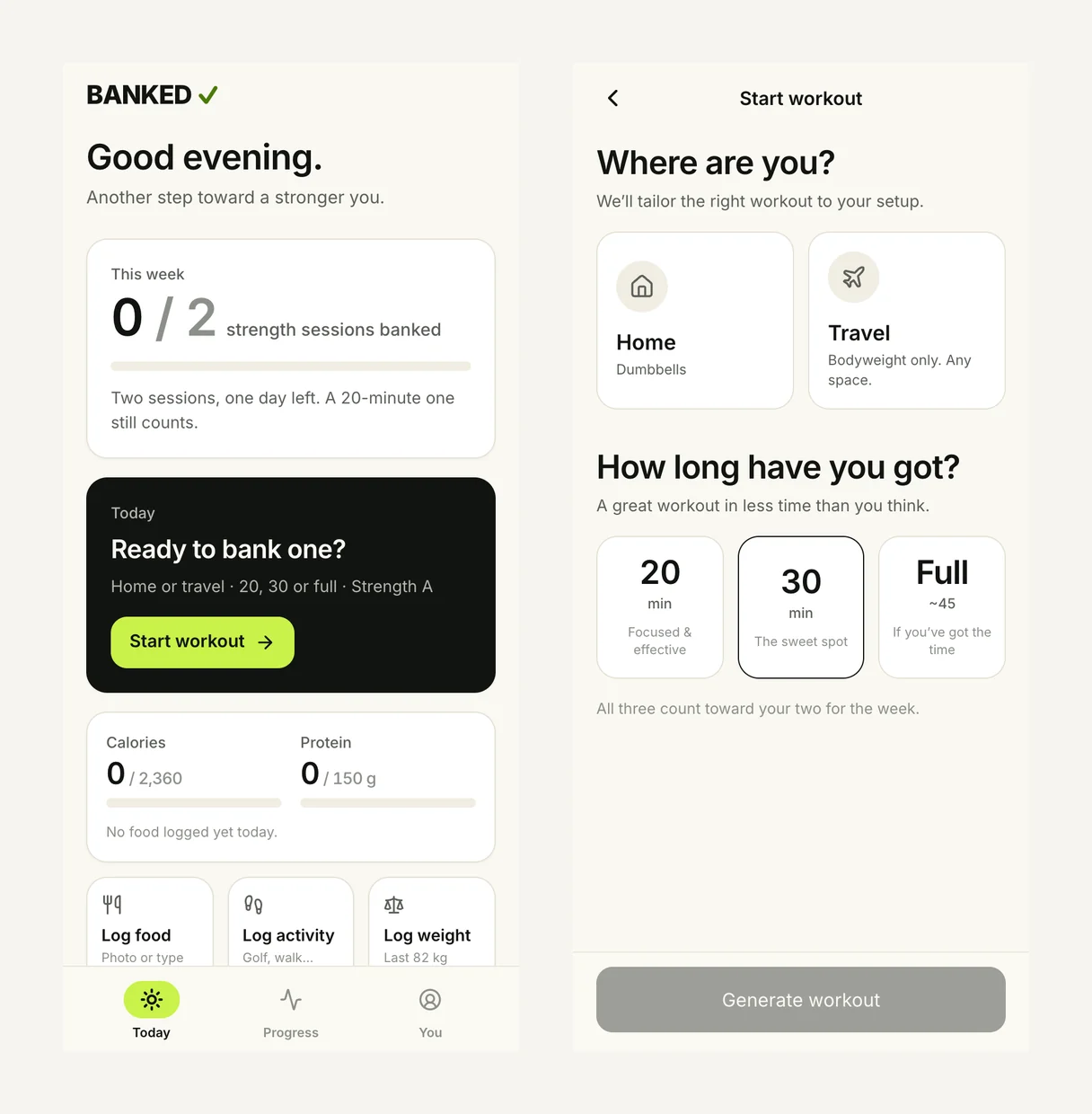
That's what I'm trying to build with Banked. Something that understands your goals, available time, equipment and what you've already done, then helps you keep moving towards being fitter and healthier without fitness becoming your entire life.
The principle behind it is: get fit enough to enjoy your life, rather than spending your life getting fit.
That's what excites me most about AI. A few years ago Caddie Live, Adrift and Banked would probably have been documents containing ideas. Now I can actually make them.
“The scarce resource is becoming less about access to engineering and more about knowing which problems are actually worth solving.”
10
What advice would you give someone who wants to build something of their own?
Build it, but put it in front of people much earlier than feels comfortable.
I very deliberately put Caddie Live in the hands of golfers while I was still building it, and their feedback helped guide it into the product it is today.
If you build entirely from what's in your own head and wait until everything is "perfect" before releasing it, there's a good chance either you'll never release it or you'll eventually discover that you've perfected something people didn't actually want.
You'll learn more from giving a half-finished idea to a real user than you will from another month polishing it on your own. Then listen to what they struggle with, fix it and give it back to them.
I'd also tell people who don't consider themselves developers to experiment with AI and try making something.
Don't start with your billion-dollar startup idea. Build something stupid. Build something useful just for yourself. Break it. Fix it.
The first time something that previously existed only in your head is running on your phone is quite addictive.
You've been warned.
11
Any resources you'd recommend?
Probably fewer resources and more doing.
There's an almost infinite amount of startup content telling you how to build a company, find product-market fit, grow an audience and become more productive.
At some point consuming more of it becomes another form of procrastination.
AI tools have taught me an enormous amount simply because they allow me to explore things I couldn't previously do myself.
But I'd probably recommend talking to actual users above any particular book, podcast or course.
Make something and give it to someone. You'll learn very quickly.
12
Where can people find you?
Caddie Live is at caddielive.golf.
I'm on X as @heysimondoes, where I talk about building products, golf and whatever else has distracted me that day.
I also write about building and AI at simondoes.it.
My other projects include Adrift at tryadrift.com, and I'm currently building Banked at banked.fit, my take on fitness for people who want to stay fit, strong and capable without making fitness their entire personality.
13
Anything else?
The thing I find most exciting about this moment in technology is that the distance between having an idea and being able to test it has become incredibly small.
For most of my career there was a clear separation between the people designing software and the people capable of building it.
That boundary is disappearing.
Caddie Live was the product that proved that to me. Adrift showed me I could take what I'd learned and apply it to something completely different. And now Banked is letting me tackle a problem that's becoming increasingly relevant to me personally.
I don't think AI means everybody suddenly becomes a successful founder. If anything, some of the other skills become more important.
Taste matters. Understanding people matters. Distribution matters. Knowing what not to build matters enormously.
But being able to think, "I wish this existed," and then actually go and make it?
I still find that slightly magical.
At a glance
- Founder
- Simon
- Based in
- Germany
- Launched
- June 2026
- Team
- Solo, bootstrapped, alongside a day job
- Runs on
- Web, iOS, Apple TV and Android
- Formats
- Stableford, stroke play, match play, Scrambles, Better Ball, Skins, Nassau
- Price
- Free for individual golfers
- Also building
- Adrift and Banked
Are you a maker?
Tell us how you make, host and market what you build.
We feature independent makers and small teams — the wins, the mistakes and the lessons in between. If you've shipped something, we'd like to hear about it.